The journey to becoming a commercial pilot is thrilling, rigorous, and highly rewarding. If you have ever looked up at the sky and dreamed of commanding an aircraft, you are not alone. With the travel sector booming globally, the demand for skilled pilots is at an all time high. Aspiring aviators need a clear roadmap to navigate the complex regulatory requirements and training modules. Whether you are actively researching Flying schools in Hyderabad, or you are seeking a top tier pilot training institute in Bangalore, understanding the exact process is your first critical step.
At Skybird Aviation, we pride ourselves on shaping the future of aviation bangalore and beyond. We understand that the path to the cockpit can seem overwhelming for beginners. This comprehensive guide will walk you through the Directorate General of Civil Aviation (DGCA) guidelines, medical requirements, ground schooling, and the flight training hours needed to secure your Commercial Pilot License (CPL).
Step 1: Meet the Basic Eligibility Criteria
Before you can take to the skies, you must meet the fundamental eligibility criteria set by the DGCA. Aspiring pilots must be at least 17 years old to begin their official training and 18 years old to receive the actual Commercial Pilot License.
Educationally, you must have successfully completed your 12th standard board examinations with Physics and Mathematics as mandatory subjects from a recognized educational board. If you come from a non-science background such as commerce or arts, you do not need to give up on your dream. You can clear the required Physics and Mathematics papers through the National Institute of Open Schooling (NIOS) to become fully eligible for pilot training in India.
Step 2: Clear the DGCA Medical Examinations
Aviation safety always starts on the ground. Therefore, clearing the stringent medical examinations mandated by the DGCA is a non negotiable step. We strongly advise all our students at Skybird Aviation to complete their medical checks before making any significant financial commitments to their flight training.
First, you must undergo the Class II Medical Examination. This initial check is conducted by DGCA approved medical examiners in your city. It involves a basic assessment of your physical and mental fitness, including vision tests, hearing tests, blood work, and an electrocardiogram to check cardiovascular health.
Once you receive your Class II medical assessment, you must apply for the Class I Medical Examination. The Class I medical is far more exhaustive and is conducted only at designated military hospitals or specialized aviation medical centers across India. Maintaining this high standard of medical fitness is a lifelong requirement for every commercial pilot, ensuring you are always safe to fly.
Step 3: Secure Your DGCA Computer Number
After proving your medical fitness, your next administrative hurdle is obtaining a Computer Number from the DGCA. This unique identification number is mandatory for appearing in the DGCA ground classes and theory examinations.
The application process is completed online through the central Udaan portal. It requires meticulous attention to detail. You must upload your educational certificates, board mark sheets, photographs, and identity proofs exactly as specified by the regulatory body. Any minor discrepancy or blurry document can lead to an application rejection, causing unnecessary delays in your training timeline. Skybird Aviation provides dedicated administrative support to help our students secure their computer numbers without stress.
Step 4: Master the Theory with Ground Schooling
Flying an aircraft requires profound theoretical knowledge. This is where comprehensive ground schooling comes into play. As a premier pilot training institute in Bangalore, Skybird Aviation offers expert-led ground classes designed to help you clear the challenging DGCA examinations on your first attempt.
The DGCA syllabus is vast and is divided into several core subjects:
- Air Navigation: This subject teaches you how to chart courses, calculate fuel requirements, and use aircraft instruments to travel safely from your origin to your destination.
- Aviation Meteorology: Weather is a pilot’s constant companion. This subject covers weather patterns, atmospheric conditions, cloud formations, and how they affect flight safety.
- Air Regulation: This focuses on the legalities of flying, airspace rules, standard operating procedures, and international aviation laws.
- Technical General: Here you will learn the principles of aerodynamics, how aircraft engines work, and the complex mechanical systems keeping the plane aloft.
- Technical Specific: This deals with the intricate details and operational limits of the specific aircraft you will be flying during your training.
For students exploring Flying schools in Hyderabad, our curriculum is highly standardized to ensure you receive the highest quality of education. Our experienced instructors use modern teaching aids to prepare you thoroughly for these rigorous written exams.
Step 5: Flight Training and Logging Hours
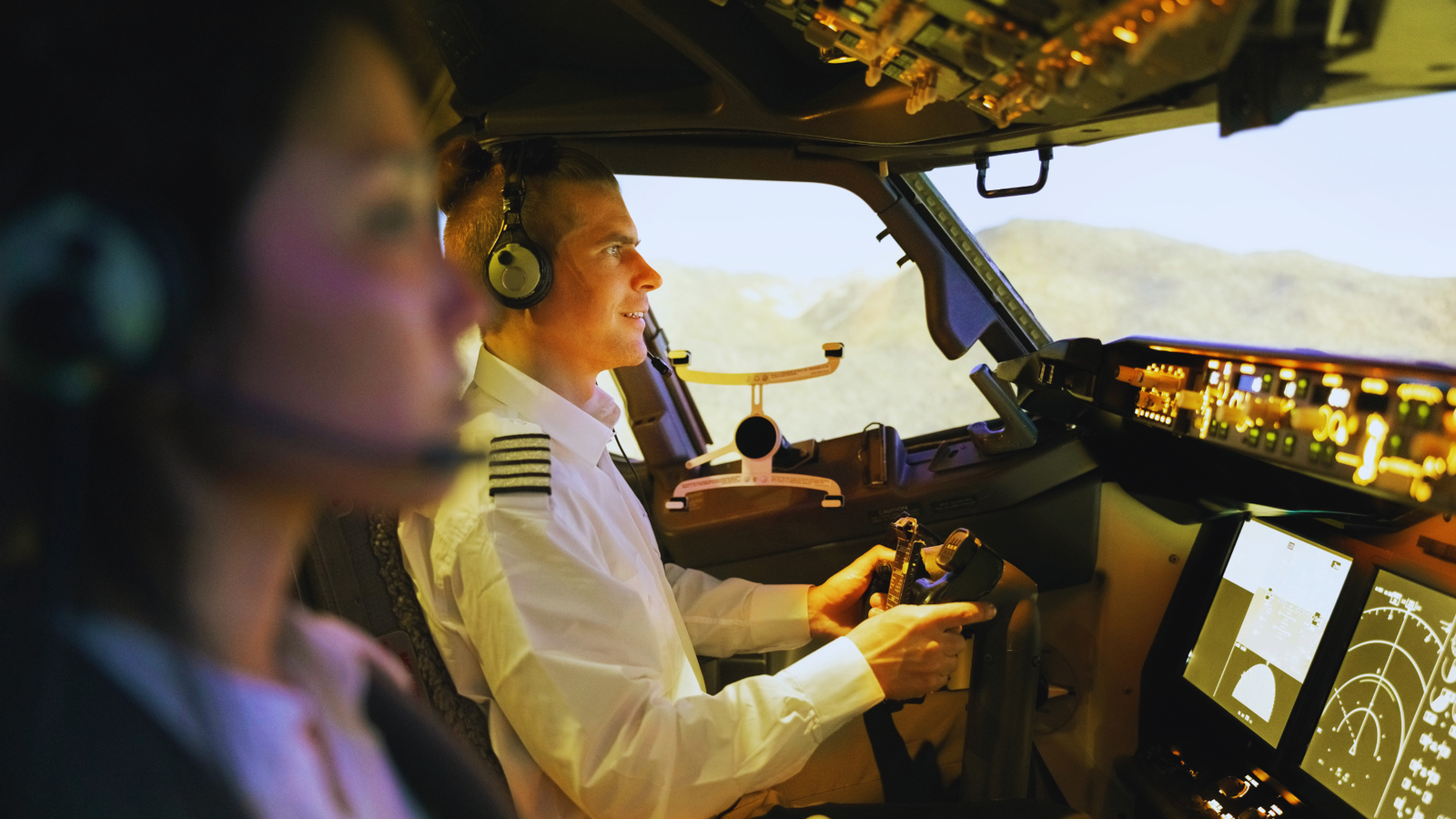
With your theory exams successfully out of the way, it is time for the most exciting phase of your journey. You will finally step into the cockpit for your practical flight training. To qualify for a Commercial Pilot License, the DGCA mandates a minimum of 200 hours of actual flight time.
These 200 hours are carefully structured to build your proficiency in various flying conditions. You will complete at least 100 hours of Pilot in Command (PIC) time, where you are the sole decision maker in the aircraft. You will also log 50 hours of cross country flying, navigating between different airports over long distances.
Additionally, you need 40 hours of instrument flying, which teaches you to fly and navigate relying solely on your cockpit instruments during poor visibility or bad weather. Night flying and dual instruction hours with your flight instructor make up the remainder of your training. At Skybird Aviation, we ensure our students train on modern, well maintained fleets like the Cessna 172, providing a seamless transition to larger commercial jets later in their careers.
Step 6: Obtain Your RTR(A) License
Communication is the lifeline of modern aviation. Before applying for your final CPL, you must obtain a Radio Telephony Restricted Aeronautical or RTR(A) license. This vital license is issued by the Wireless Planning and Coordination (WPC) Wing of the Ministry of Communications in India.
The exam tests your ability to communicate effectively with Air Traffic Control (ATC) using standard aviation phraseology. The test includes a practical transmission round and a theoretical viva round. It is famously challenging, but our seasoned instructors provide specialized coaching to ensure you are well prepared to handle all radio communications professionally and calmly.
Step 7: Apply for Your Commercial Pilot License
Once you have passed all DGCA written theory exams, cleared the WPC RTR(A) exam, and successfully logged your mandatory 200 hours of flight training, you are ready for the final step.
You will carefully compile your flight logbooks, medical certificates, exam result sheets, and training records. These documents are submitted to the DGCA headquarters for strict verification. After a thorough review process to ensure all guidelines have been met, the DGCA will issue your Commercial Pilot License. Holding this prestigious license means you are legally certified to act as the pilot of a commercial aircraft, turning your lifelong passion into a highly respected career.
Conclusion
Becoming a commercial pilot is a profound journey of dedication, discipline, and intense passion. By understanding the strict DGCA guidelines and following this structured pathway, you can navigate the complex process smoothly and efficiently.
Whether you are searching for the best Flying schools in Hyderabad to begin your theoretical journey, or looking for a trusted pilot training institute in Bangalore to guide your entire career, Skybird Aviation is here to support you at every altitude. The landscape of aviation Bangalore offers tremendous opportunities for dedicated individuals ready to put in the hard work. Take the first step toward your aviation dreams today, and let us help you earn your wings.